
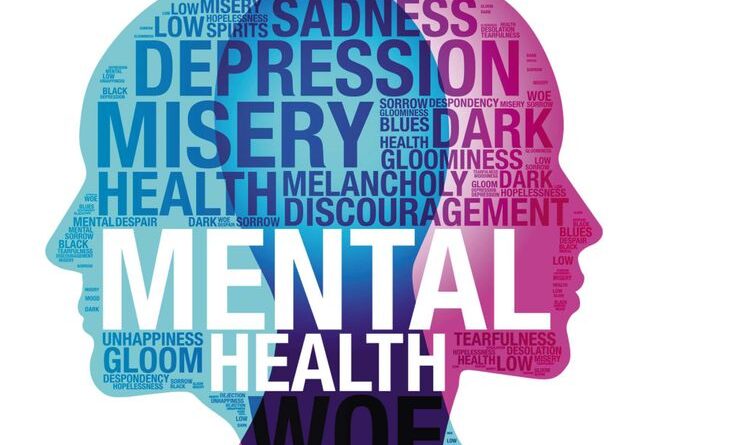
The Complete Guide to Mental Health: Symptoms, Causes and Treatment
The Complete Guide to Mental Health: Symptoms, Causes and Treatment
Maintaining mental health is essential for emotional, psychological, and social well-being. Mental health impacts how people think, feel, and behave in daily life. Understanding common symptoms, causes, and treatment options empowers individuals to manage stress, prevent disorders, and seek professional help when necessary. This comprehensive guide provides practical insights and strategies to promote mental well-being for everyone.
Mental Health Overview
Mental health refers to a state of psychological and emotional well-being in which individuals can cope with normal life stresses, work productively, and contribute to their communities. It encompasses cognitive functioning, emotional regulation, and social interactions. Both short-term stress and long-term conditions can affect mental health, but recognizing early warning signs can mitigate serious complications.
Mental Health Symptoms
Identifying symptoms early is crucial. Some common indicators include:
- Persistent sadness or feelings of hopelessness
- Excessive anxiety, fear, or worry
- Extreme mood swings or irritability
- Withdrawal from friends, family, or social activities
- Difficulty concentrating or making decisions
- Changes in sleep or appetite patterns
- Physical symptoms such as unexplained aches, fatigue, or headaches
Causes of Mental Health Disorders
There is no single cause for mental health issues. Factors include:
- Biological: Genetic predisposition or chemical imbalances in the brain
- Psychological: Trauma, abuse, or prolonged stress
- Environmental: Poverty, social isolation, or challenging living conditions
- Lifestyle: Poor diet, lack of exercise, substance abuse, or sleep deprivation
Common Mental Health Conditions
Some widespread disorders include:
- Depression and persistent mood disorders
- Anxiety disorders such as generalized anxiety, panic, and phobias
- Bipolar disorder and extreme mood fluctuations
- Schizophrenia and other psychotic disorders
- Post-traumatic stress disorder (PTSD) following traumatic events
- Obsessive-compulsive disorder (OCD)
Evidence-Based Treatments
Effective mental health treatments include:
- Psychotherapy: Cognitive Behavioral Therapy (CBT), counseling, and group therapy sessions
- Medication: Antidepressants, anti-anxiety medications, mood stabilizers, or antipsychotics depending on the condition
- Lifestyle Interventions: Regular physical activity, balanced nutrition, adequate sleep, and mindfulness practices
- Support Systems: Family, peer support groups, and community programs
Preventive Strategies
Preventing mental health disorders requires awareness and proactive measures:
- Manage stress through relaxation techniques and meditation
- Maintain social connections with friends and family
- Seek early professional help when symptoms arise
- Balance work, study, and leisure activities
- Limit alcohol, drug use, and other high-risk behaviors
Resources for Mental Health Support
For further guidance, consult trusted sources:
Frequently Asked Questions (FAQ)
What is mental health?
Mental health involves emotional, psychological, and social well-being affecting thought, behavior, and emotions.
What are common signs of mental illness?
Persistent sadness, excessive anxiety, mood swings, social withdrawal, sleep changes, and unexplained physical symptoms.
How can mental health be improved?
Through therapy, medication, lifestyle changes, and supportive social connections.
Can mental health disorders be prevented?
Yes. Stress management, social support, early intervention, and healthy habits can reduce risk.
Conclusion
Maintaining mental health is a lifelong commitment. Awareness of symptoms, understanding causes, accessing treatments, and practicing preventive strategies ensures emotional resilience and psychological stability. Individuals and communities that prioritize mental well-being create healthier, more productive societies. Early action, professional guidance, and consistent self-care are key to long-term success in emotional and mental health.